
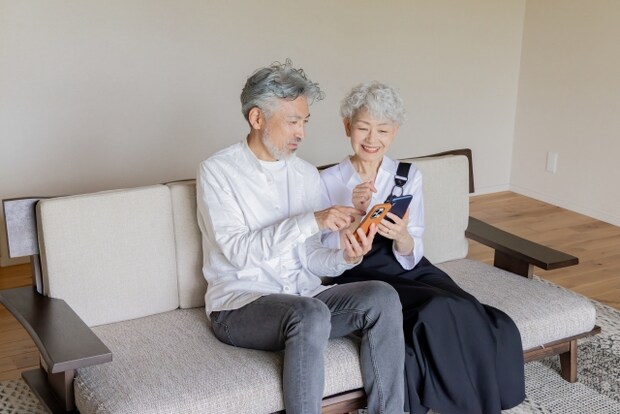

認知症の予防や進行抑制のために脳トレを行う際の注意点

脳トレに取り組む際は、効果を引き出すための環境作りが重要です。どれだけ熱心に脳トレを続けても、日常生活で脳に悪影響を与える習慣があると、その効果が打ち消されてしまう可能性があります。脳トレの効果をより確かなものにするために、同時に避けるべき生活習慣についても知っておきましょう。
身体を動かさず、座りがちな生活を行っていると脳への血流不足や慢性炎症につながり、認知症になりやすくなるかもしれません。脳の機能低下を遅らせるためにも、定期的な有酸素運動などを心がけるとよいでしょう。
長年の喫煙は脳の血管に悪影響を与え、アルツハイマー型認知症の発症リスクも増加させることが報告されています。大規模研究では、喫煙者は非喫煙者に比べ記憶の低下が明らかに早いペースで進行しました。認知症に備える観点からも禁煙を検討しましょう。
大量飲酒やアルコール依存は脳萎縮や認知機能障害を引き起こす可能性もあり、週あたりのアルコール摂取量が多い方ほど認知症になりやすいという報告があります。自らの飲酒の習慣を振り返って気になる方は、禁酒するか適度な摂取量に調整するとよいでしょう。
定期的な他人とのコミュニケーションが乏しい高齢の方は、活発な交流を持つ方と比較して認知症のリスクが高いことがわかっています。友人と会話したり一緒に活動したりすることは脳への刺激になるだけでなく、ストレスを和らげ気持ちを安定させることにもつながり、結果的に脳の働きを維持することにつながります。
睡眠時間は短すぎても長すぎても脳の働きに悪影響を与えます。6時間未満の短い睡眠が続くと記憶力や判断力の低下がみられ、アルツハイマー型認知症の原因物質であるアミロイドβの脳内蓄積増加とも関係するという報告があります。一方で、9時間以上の過度な睡眠も脳の働きの低下と関係するとの研究結果もあります。適度な時間の睡眠を心がけてください。
これらの生活習慣は一度にすべて正そうと気負う必要はありません。1つずつでも改善していけば、脳トレとの相乗効果が期待できるでしょう。
参照:
『Dementia prevention, intervention, and care: 2020 report of the Lancet Commission』(PMC)
『Smoking is associated with an increased risk of dementia: a meta-analysis of prospective cohort studies with investigation of potential effect modifiers』(PubMed)
『Association of Alcohol-Induced Loss of Consciousness and Overall Alcohol Consumption With Risk for Dementia』(PubMed)
『Association of Short and Long Sleep Duration With Amyloid-β Burden and Cognition in Aging』(PubMed)
『Long sleep duration is associated with lower cognitive function among middle-age adults – the Doetinchem Cohort Study』(PubMed)
まとめ
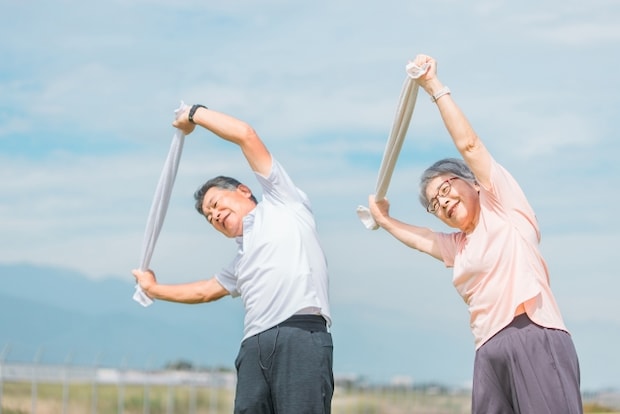
医学研究によって、脳トレには記憶力をはじめとした認知機能の向上効果があることが報告されています。ドリルやパズル、スマートフォンアプリ、対戦形式のテーブルゲーム、運動など、どれも手軽で続けやすい方法かと思います。
すべてを一度に始める必要はありません。移動時間にスマートフォンの脳トレアプリを試す、家族や友人とトランプや将棋を楽しむ、近所のスポーツ教室に参加するなど、興味のあることから始めてみませんか。小さな積み重ねが大きな変化につながっていきます。
何歳からでも脳トレは実践できますので、気になる方法から試してみましょう。脳トレは認知症の根本的な治療法とはなりませんが、認知機能の維持・向上に役立つ可能性があります。継続が鍵ですので、楽しみながら日常の一部として取り入れることを心がけてください。
参考文献
『Dementia』(WHO) 『認知症ケア法ー認知症の理解(研修テキスト)』(厚生労働省) 『Dementia prevention, intervention, and care: 2024 report of the Lancet standing Commission』( PubMed 『認知症疾患診療ガイドライン2017. 第3章 治療』(日本神経学会) 『認知症疾患診療ガイドライン2017. 第4章 経過と治療』(日本神経学会) 『認知症疾患診療ガイドライン2017. 第16章 内科的疾患等』(日本神経学会) 『The aging mind: neuroplasticity in response to cognitive training』(PubMed) 『The relationship between the frequency of number-puzzle use and baseline cognitive function in a large online sample of adults aged 50 and over』(PubMed) 『Neural and Behavioral Effects of an Adaptive Online Verbal Working Memory Training in Healthy Middle-Aged Adults』(PubMed) 『Impact of Short-Term Computerized Cognitive Training on Cognition in Older Adults With and Without Genetic Risk of Alzheimer’s Disease: Outcomes From the START Randomized Controlled Trial』(PubMed) 『Playing Analog Games Is Associated With Reduced Declines in Cognitive Function: A 68-Year Longitudinal Cohort Study』(PubMed) 『Effects of mind-body exercise on cognitive performance in middle-aged and older adults with mild cognitive impairment: A meta-analysis study』(PubMed) 『Cognitive Training During MidlifeA Systematic Review and Meta-Analysis』(PubMed) 『The effect of cognitive-based training for the healthy older people: A meta-analysis of randomized controlled trials』( PubMed) 『Ten-year effects of the advanced cognitive training for independent and vital elderly cognitive training trial on cognition and everyday functioning in older adults』(PubMed) 『Computerized cognitive training in cognitively healthy older adults: a systematic review and meta-analysis of effect modifiers』(PubMed) 『Impact of Short-Term Computerized Cognitive Training on Cognition in Older Adults With and Without Genetic Risk of Alzheimer’s Disease: Outcomes From the START Randomized Controlled Trial』(PubMed) 『Dementia prevention, intervention, and care: 2020 report of the Lancet Commission』(PMC) 『Smoking is associated with an increased risk of dementia: a meta-analysis of prospective cohort studies with investigation of potential effect modifiers』(PubMed) 『Association of Alcohol-Induced Loss of Consciousness and Overall Alcohol Consumption With Risk for Dementia』(PubMed) 『Association of Short and Long Sleep Duration With Amyloid-β Burden and Cognition in Aging』(PubMed) この記事を書いた人 廣瀬 正和
廣瀬 正和
京都大学医学部 卒業 / 京都大学医学部を卒業後、大学病院勤務を経て市中病院で脳神経内科医として5年間従事しました。専門医取得後、母校大学院で研究を続けています。 / 【資格、専門医等】日本神経学会神経内科専門医、日本内科学会総合内科専門医、日本認知症学会認知症専門医・指導医、日本脳神経超音波学会超音波検査士